

658: Fix Your Sleep Issues with Dr. Michael Breus
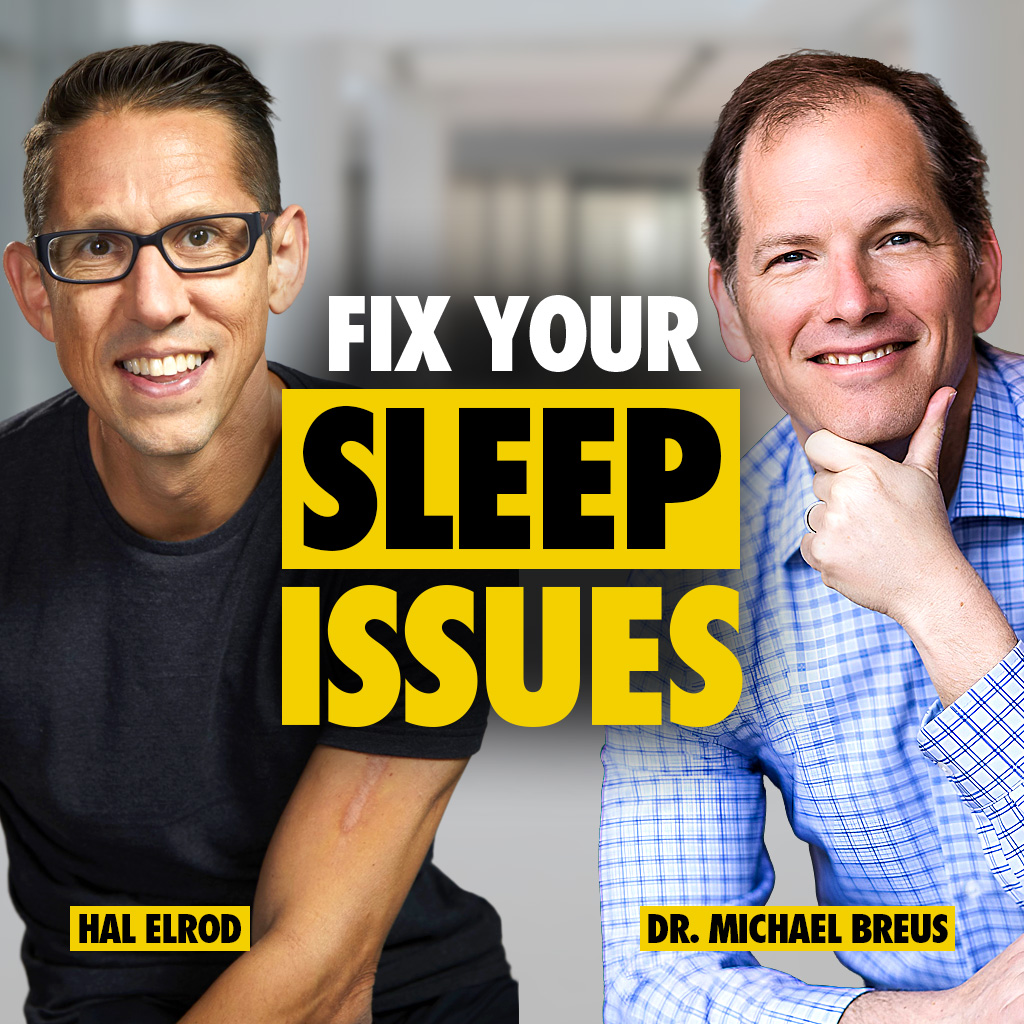
In our conversation, Dr. Michael Breus explains why the pathway to better sleep is often simpler than we think and how our daily habits can help or hinder our body’s natural ability to rest. We also discuss the powerful connection between anxiety and insomnia, what to do when you wake up in the middle of the night and can’t fall back asleep, and some surprising misconceptions about sleep supplements, mouth taping, and other popular sleep strategies.
657: How Chris Wark Beat Stage 3 Cancer Without Chemo and Healed Naturally (REPLAY)

In our conversation, Chris Wark talked about what it really means to take ownership of your health, especially when the stakes couldn’t be higher. We explore the mindset shift from being a passive patient to becoming an active participant in your healing, along with the role faith, nutrition, and lifestyle can play when you’re facing one of the most difficult moments of your life.
656: Staying Motivated When You Feel Anything But
In today’s episode, I’m sharing what I call the four cornerstones of motivation: clarity, commitment, discipline, and faith. I’ll explain why you shouldn’t wait around hoping to feel motivated and why learning to act your way into feeling can help you generate the motivation you need to move forward.
655: What to Do When Your Identity Stops Working with Ruby Fremon
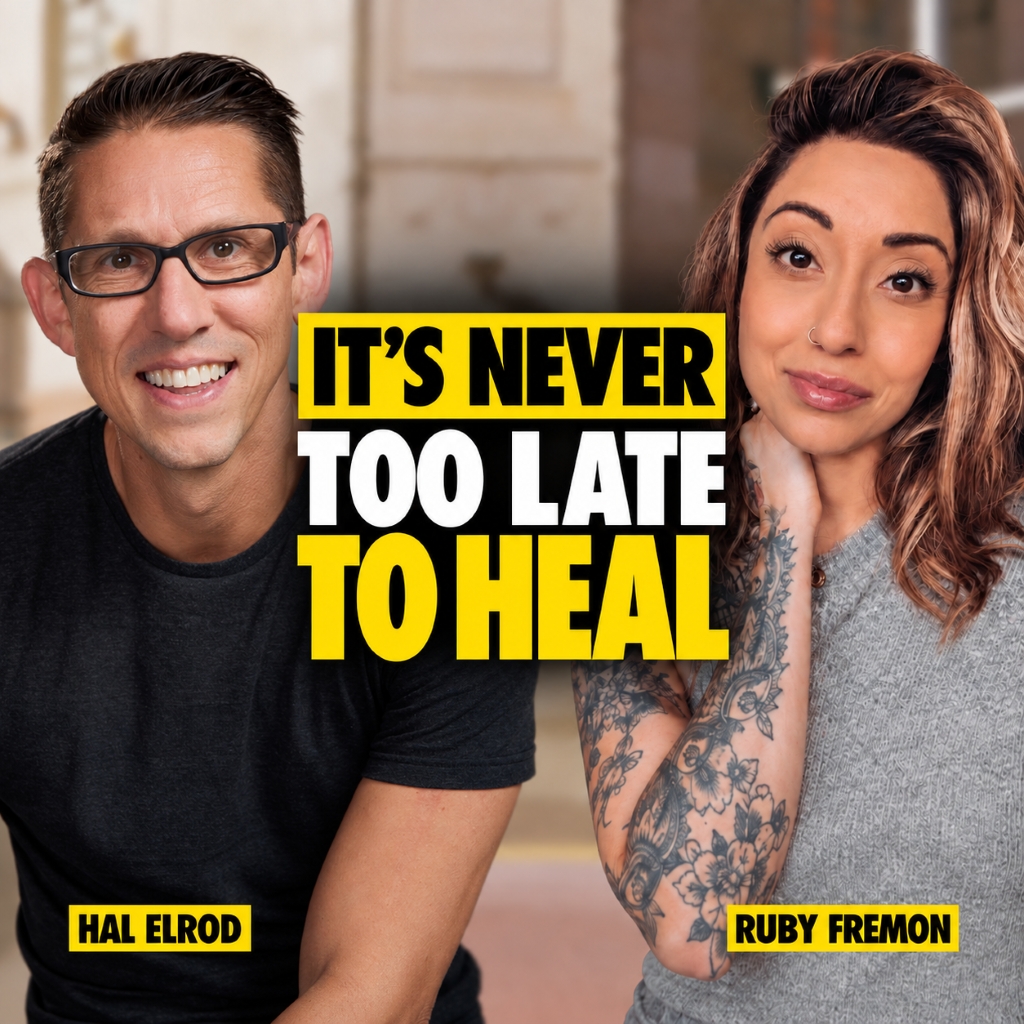
In our conversation, Ruby Fremon shares what helped her survive the darkest season of her life and explains why healing doesn’t always mean immediately finding the positive in what happened. We also talk about how trauma can affect the way you experience life, practical ways to build your capacity to move through difficult emotions, and how losing the person you thought you were can ultimately help you reconnect with who you really are.
654: Mom of 4 Goes from Civil Engineer to $300K Content Creator with Stephanie Fisher
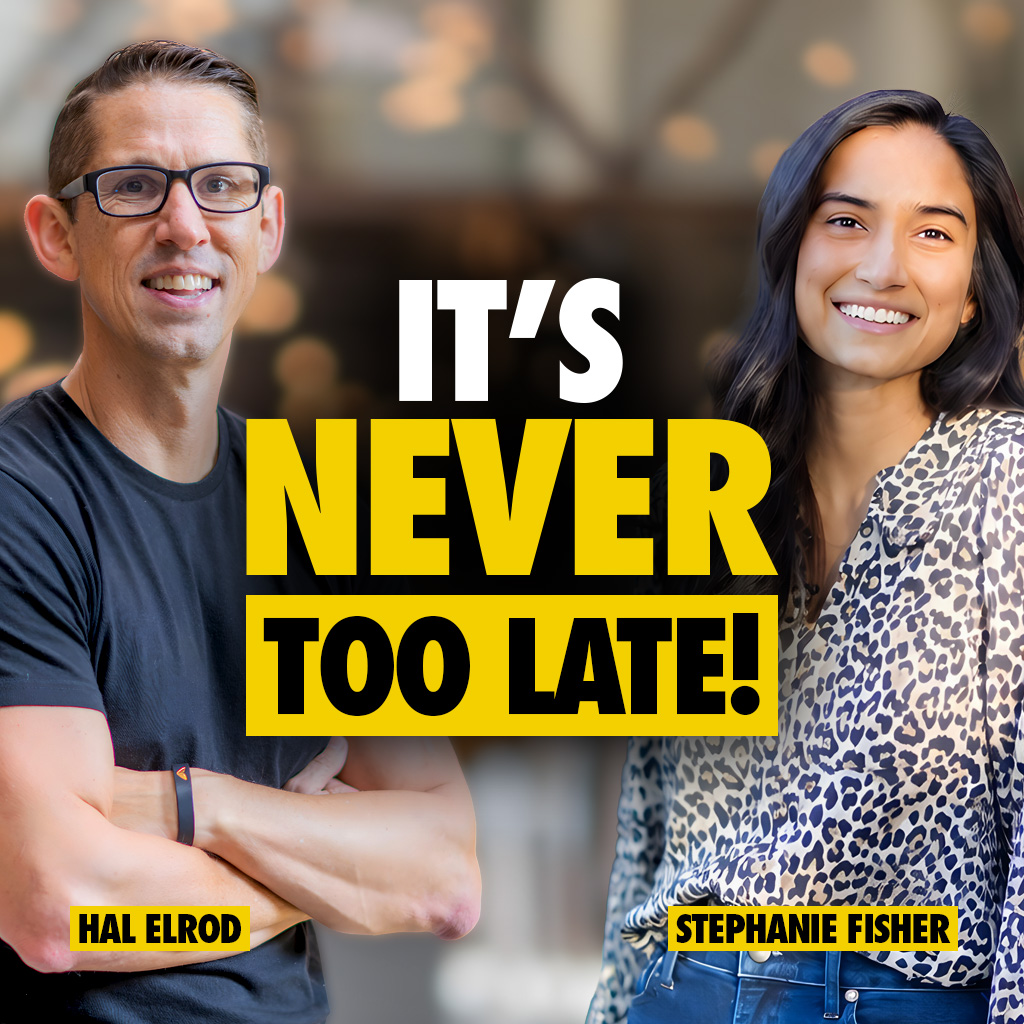
In our conversation, Stephanie Fisher shares how she went from roughly 100 followers to building a successful business and creating more time and financial freedom for her family. We also talk about the pivotal moments that changed the trajectory of her life, the unexpected opportunity that came from losing her engineering job, and how pursuing her dream has allowed her to make a bigger impact while being more present with her family.
653: How to Stay Laser-Focused On Your Dreams (Even When Everything Goes Wrong) with Seth & Tori Bolt
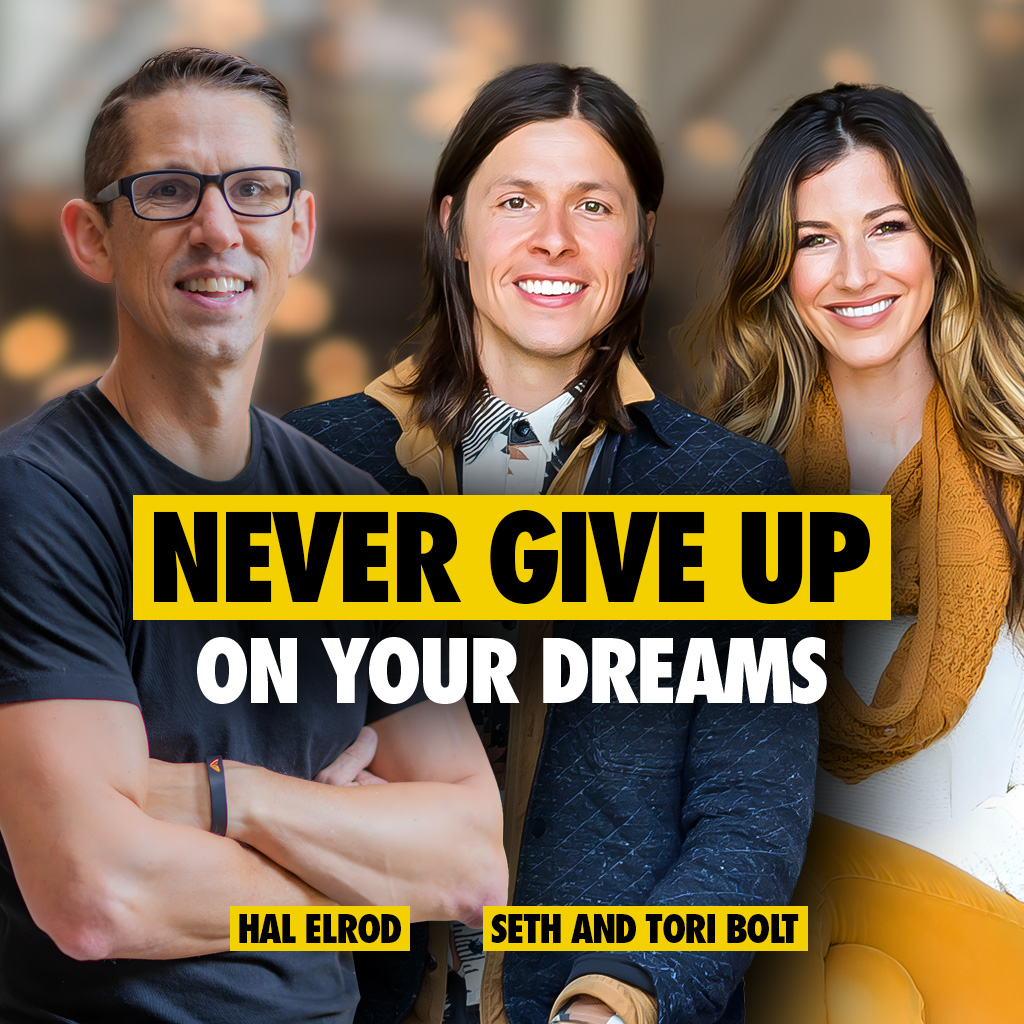
In our conversation, Seth and Tori Bolt share their incredible journey building Bolt Farm Treehouse, along with the setbacks and sacrifices they faced along the way. We also talk about staying grounded through seasons of uncertainty, creating unbelievable experiences that bring people closer together, and the lessons they’ve learned from more than a decade of pursuing their dream.
652: How to Build Your Network to Achieve Your Goals with Jayson Gaignard

In our conversation, Jayson Gaignard shares three simple questions to help you intentionally decide who belongs in your life and why generosity is the foundation of meaningful relationships.
651: How to Fix Your Metabolism, Build Muscle, and Lose Fat Fast with JJ Virgin

In her new book, The Metabolism Fix, JJ Virgin explains why getting lighter doesn’t necessarily mean you’re getting healthier. Losing the wrong kind of weight can leave you weaker, slow your metabolism, and make it easier to regain fat.
650: Mark Allen Ruegg: A Living Miracle

In our conversation, Mark Allen Ruegg shares how that recurrence forced him to confront his fear, return to the fundamentals of his Healing Recipe, and recognize the missing ingredient he needed most: unwavering faith.
649: From Prison to Miracle Mornings with Robert Valentine
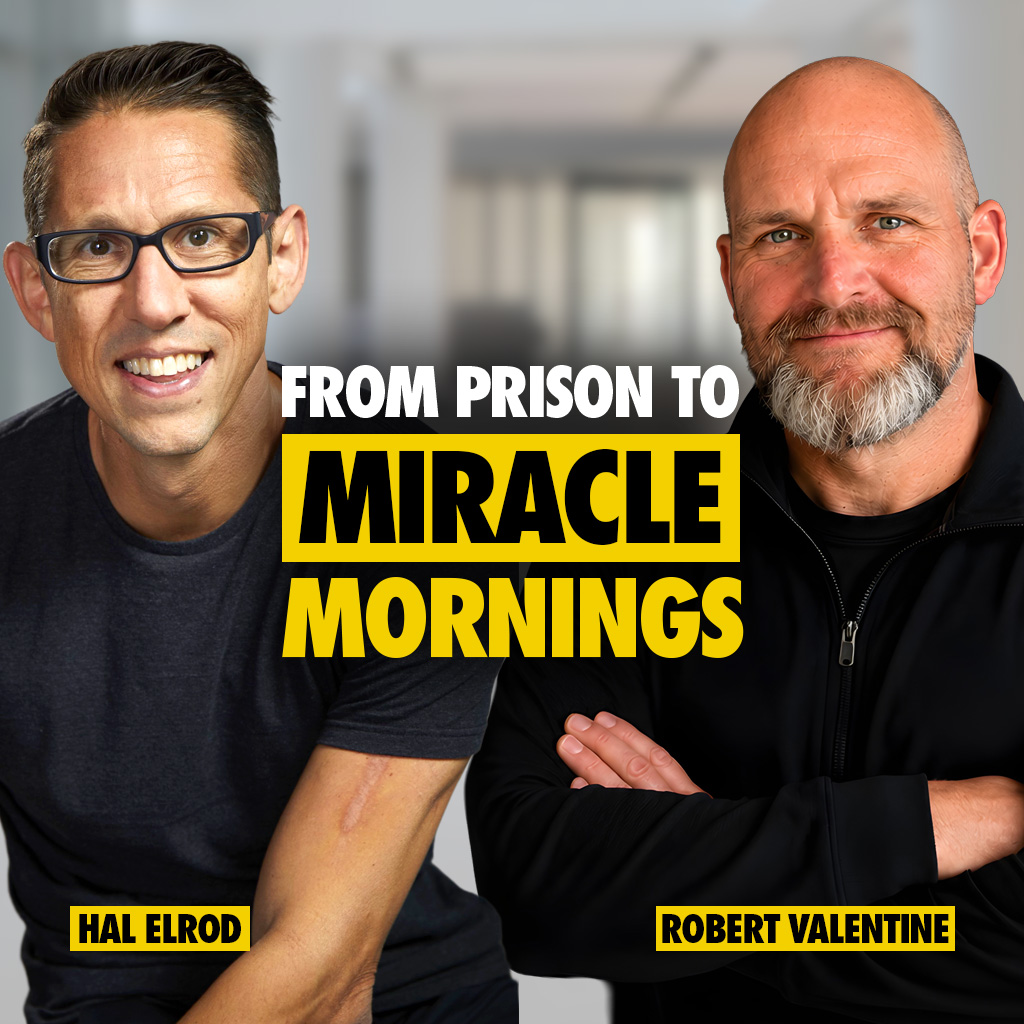
In our conversation, Robert Valentine shares how he rebuilt his identity one day at a time and kept the promises he made to himself. He also shares how he lost 90 pounds, earned his college degree, became a certified yoga instructor, and ultimately rebuilt relationships with his family.